
Section Type: prefooter
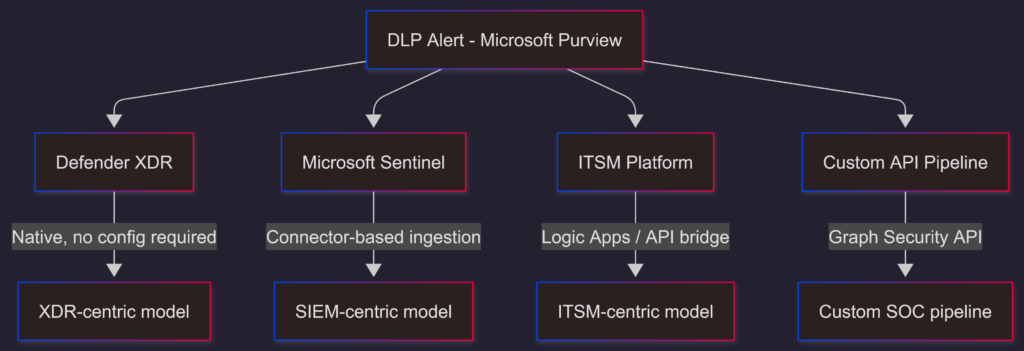
Purview DLP Incident Management (IM) – From Alert to Outcome #09
Phase 4 – Tools and Architecture The DLP Tooling Decision Model. Overview Every DLP team eventually hits the same question: where should DLP incidents live? Defender XDR? SIEM (e.g. Sentinel)?...
Read more
Purview DLP Incident Management (IM) – From Alert to Outcome #08
Purview DLP Incident Management (IM) – From Alert to Outcome
Read more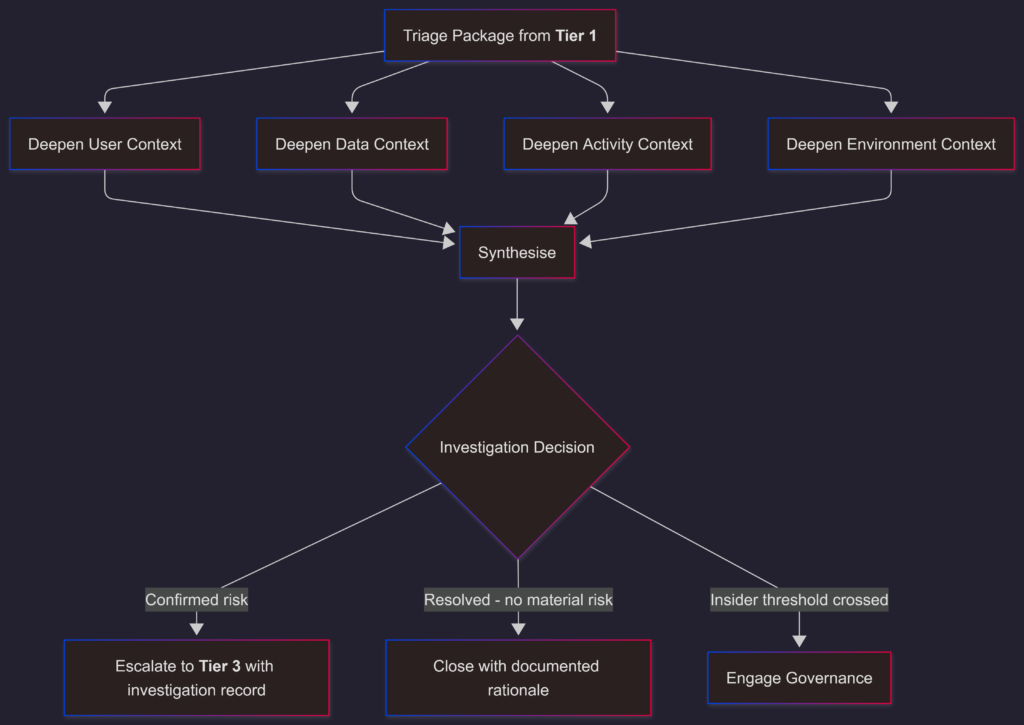
Purview DLP Incident Management (IM) – From Alert to Outcome #07
Phase 3 – Investigation Context Is the Real Investigation Engine. Overview A DLP investigation that starts and ends with the alert is not an investigation. It is a policy match...
Read more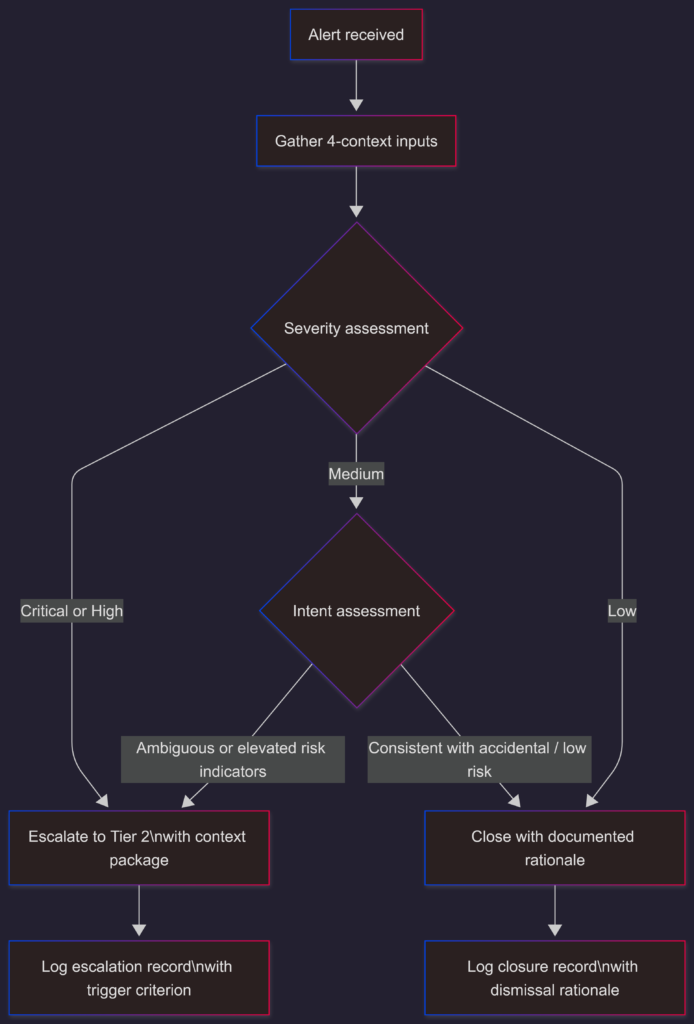
Purview DLP Incident Management (IM) – From Alert to Outcome #06
Phase 3 – Investigation The DLP Triage Framework. Overview A DLP alert arrives. The analyst opens it. Now what? Most teams have an instinct at this point to look at...
Read more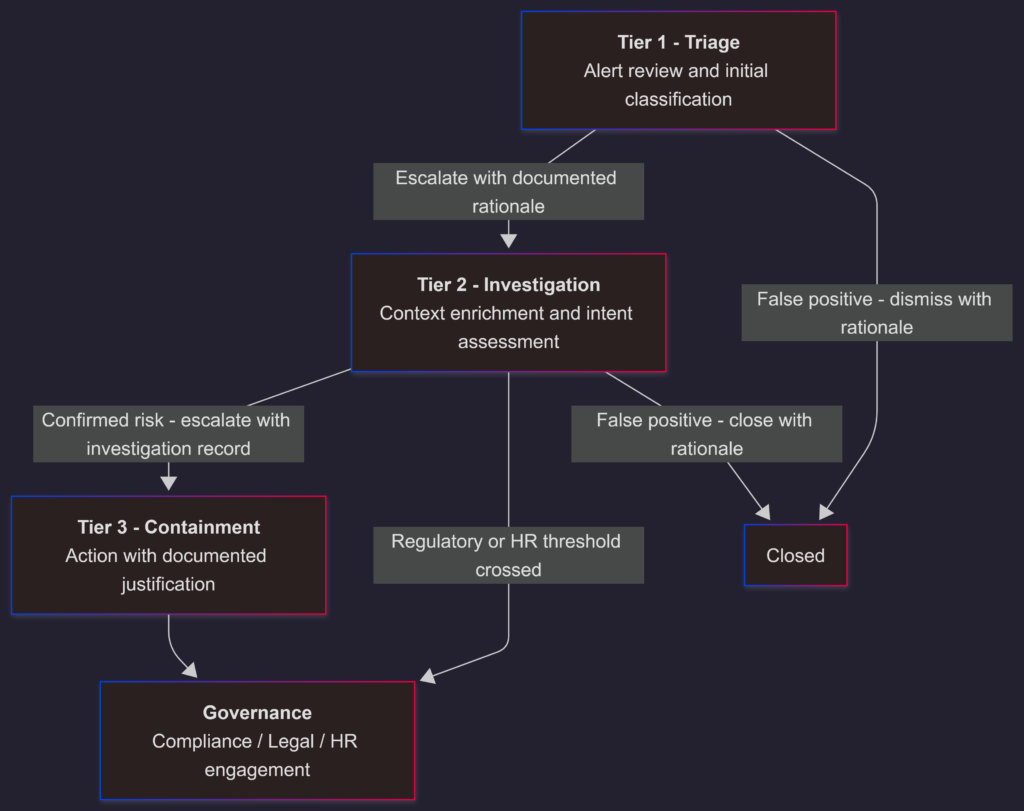
Purview DLP Incident Management (IM) – From Alert to Outcome #05
Phase 2 – Building the DLP Operating Model Communication and Escalation Patterns. Overview A well-defined operating model with correct RBAC gets you the right people with the right access. What...
Read more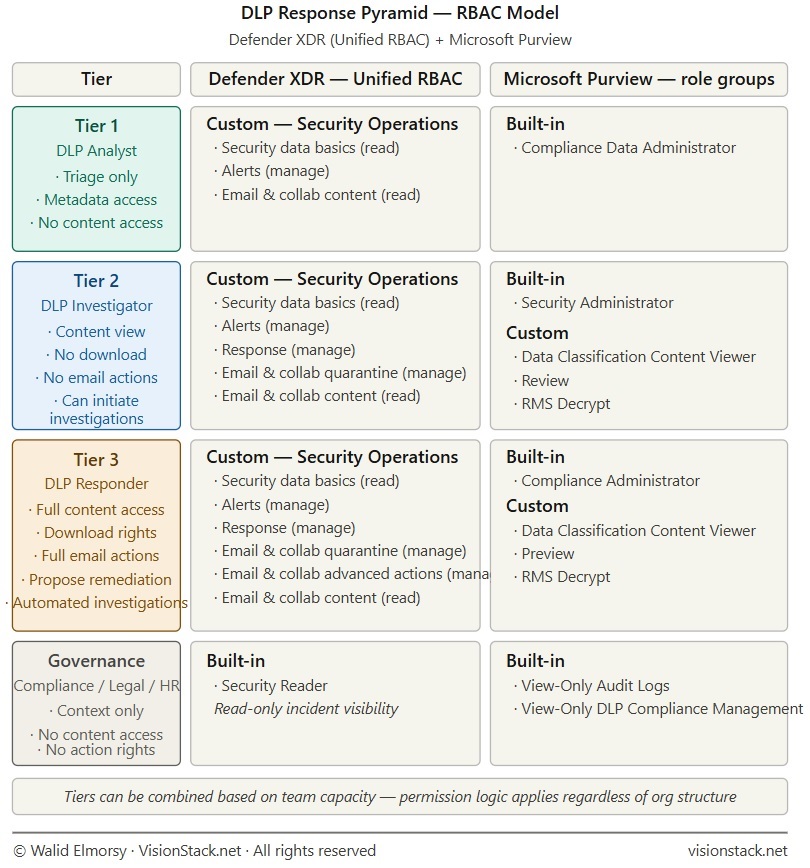
Purview DLP Incident Management (IM) – From Alert to Outcome #04
Phase 2 – Building the DLP Operating Model RBAC for Purview DLP Incident Management. Overview The DLP Response Pyramid defines who owns each layer of the incident lifecycle. But a...
Read more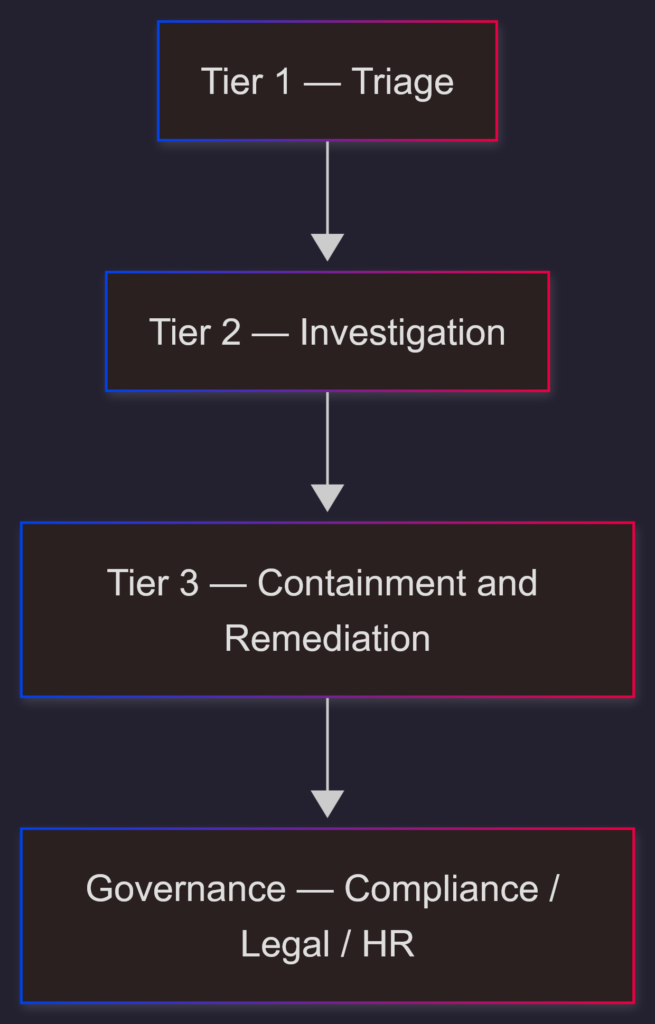
Purview DLP Incident Management (IM) – From Alert to Outcome #03
Phase 1 – Where DLP Programs Quietly Break Down The DLP SOC Operating Model. Overview DLP incidents don’t fail at the detection layer. They fail at the ownership layer. Quick...
Read more
Purview DLP Incident Management (IM) – From Alert to Outcome #02
Phase 1 – Where DLP Programs Quietly Break Down Alerts Are Not Incidents. Overview If every DLP alert is treated as an incident, then nothing is an incident. Quick recap...
Read more
Purview DLP Incident Management (IM) – From Alert to Outcome #01
Phase 1 – Where DLP Programs Quietly Break Down DLP Is Deployed. Incident Management Is Not. Overview Most DLP programs don’t fail because the policies are wrong. They fail because...
Read more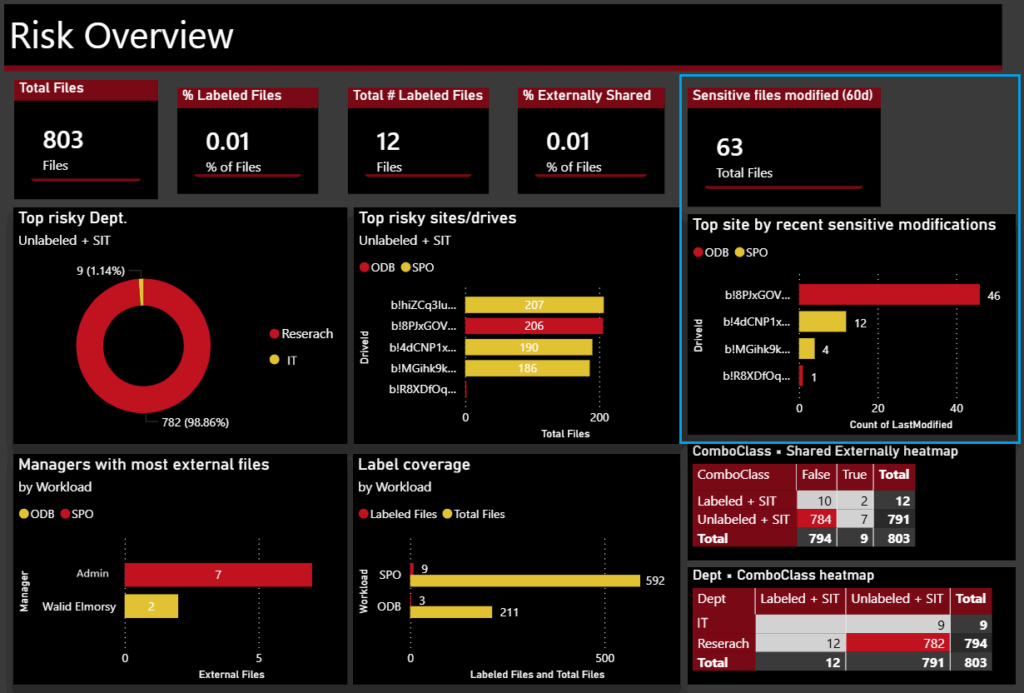
Purview Content Explorer: When “Last Modified” Can Trick You
If you’ve ever built a “sensitive files modified in the last X days” report from Purview Content Explorer exports and thought, “Nice, we’re capturing real tenant data estate status”… there’s...
Read more